
Mortgage Rate Lock: When to Lock and What It Really Protects


A mortgage rate lock is your lender’s promise to hold a specific interest rate while your loan moves toward closing. It sounds simple, and mostly it is. The trouble comes from the fine print: how long the lock lasts, what can still move the rate, and what happens if closing slips.
This post began as a 2019 tip about watching interest rates before you buy. Watching rates is fine. Knowing when and how to lock one is what actually protects your payment.
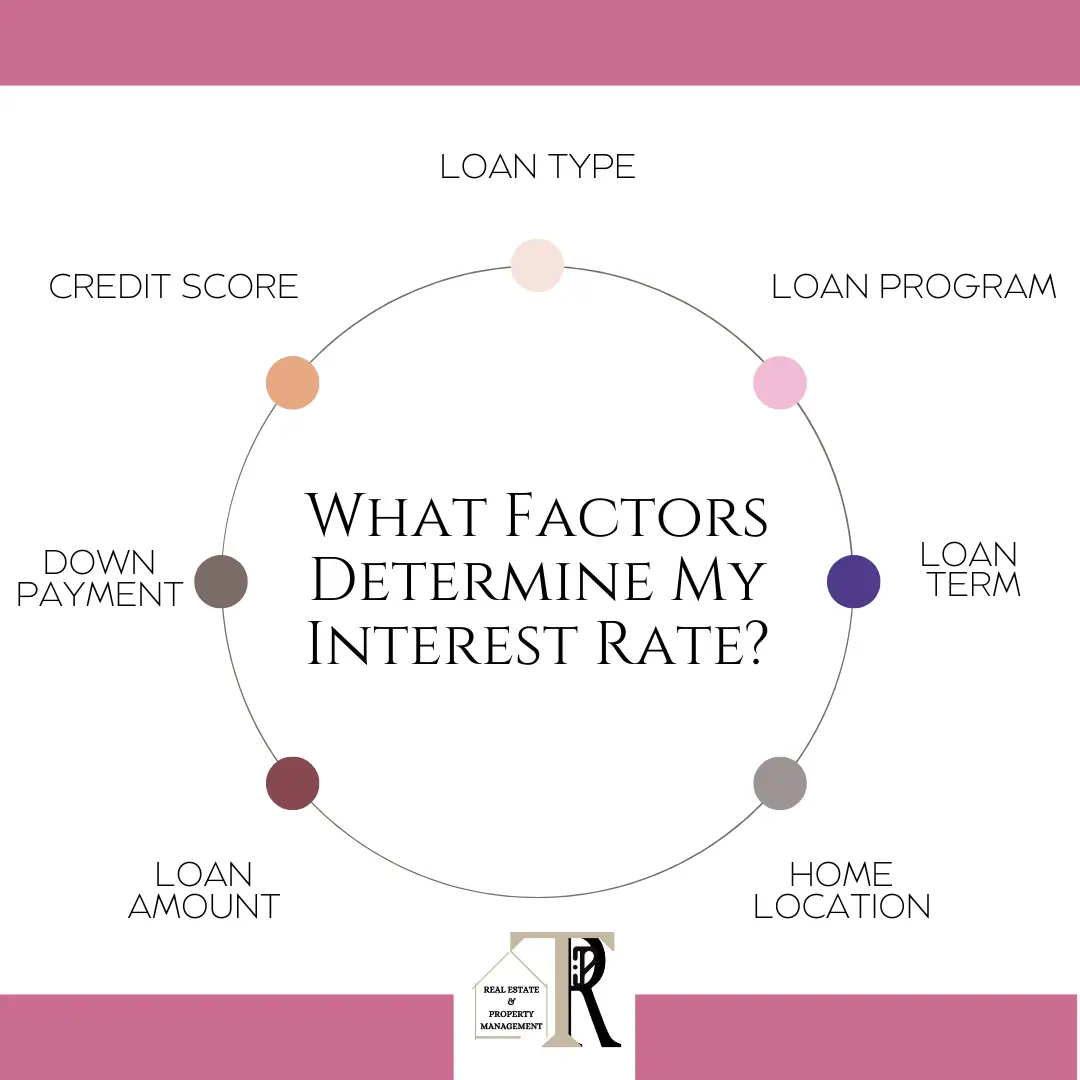
What a mortgage rate lock actually guarantees
The Consumer Financial Protection Bureau puts it plainly in its explainer on what a rate lock is: your rate won’t change between the offer and closing, as long as you close within the lock period and nothing changes on your application.
That last condition carries a lot of weight. The CFPB lists the kinds of changes that can move a locked rate anyway:
- A change in the loan amount or your down payment
- A change in your credit score
- An appraisal that comes in higher or lower than expected
- Income the lender can’t document, such as overtime or bonus pay
- New debt or a missed payment during the process
So a lock protects you from the market. It does not protect you from changes in your own file. That is one more reason to leave your credit alone until closing, which we cover in the mortgage underwriting process.
How long a mortgage rate lock lasts
Locks commonly run 30, 45 or 60 days, and sometimes longer. A longer mortgage rate lock usually costs more, either as a fee or a slightly higher rate, because the lender is holding the risk longer.
Match the lock to your real timeline, not the optimistic one. A resale home in Fulshear or Katy with a normal option period and a clean appraisal often closes comfortably inside 30 to 45 days. Our post on how long it takes to buy a house in Texas walks through where the time goes.
When to lock
For most buyers, the practical moment is once you have an executed contract and a lender you trust. Before that there is no property to lock against, and after that every day you float is a bet on the market.
Floating can work in your favor if rates fall. It can also cost you if they rise, and nobody, including your lender and your agent, can tell you reliably which way they will go next week. The CFPB’s tool to explore interest rates shows the range available for a loan like yours, which is a useful reality check. If a rate increase would push the payment past your comfort level, lock and stop watching.
Some lenders offer a float-down option, which lets you take a lower rate if the market drops after you lock. It usually carries a cost and conditions. Ask what triggers it before you pay for it.
New construction needs a different plan
Much of the new-home inventory around Katy and Fulshear is still under construction when buyers sign. A build that runs several months is longer than a standard lock. Builders and their preferred lenders often offer an extended mortgage rate lock or incentives tied to a lock, and those can be worth real money.
Read the terms closely. Find out how long the lock lasts, what it costs to extend if the build runs late, and whether the incentive depends on using the builder’s lender. Then compare the full package against an outside Loan Estimate before you commit.
If your closing gets delayed
This is the question to ask on day one, not day twenty-nine. The CFPB notes that extending a lock can be expensive if your transaction needs more time. Ask your lender:
- What does an extension cost, per day or per week?
- Who pays if the delay is the lender’s fault?
- What happens to my rate if the lock expires?
Delays happen for ordinary reasons: a repair negotiation that runs long, a title issue, an appraisal that needs a second look. Knowing the extension terms ahead of time keeps a small delay from turning into a costly one.
Get the mortgage rate lock in writing
Your Loan Estimate shows whether your rate is locked and until when, right on the first page. If it says the rate is not locked, it isn’t, no matter what anyone said on the phone. Ask for written confirmation of the rate, the points, the expiration date and the extension terms.
Once you are locked, keep the rest of your finances steady and make sure your cash to close is ready. If you are still choosing between loan types, read adjustable-rate vs fixed-rate mortgages first. The full sequence is in our home buying checklist for Texas buyers.
Written by Stacy Burgin, a real estate agent with Terra Point Realty serving Fulshear, Katy and the greater Houston area, with 300+ transactions and 130+ home sales closed. If you are under contract and unsure whether to lock now or wait, call (713) 766-1697 and we will help you think through your timeline.