Property Transfer After Death in Texas: How an Inherited House Changes Hands

How to Properly Transfer Ownership with an Inherited Property
01/21/2025

Property transfer after death is the paperwork side of inheriting a house: getting the title out of the deceased owner’s name and into the heirs’ names, so the house can be kept, refinanced or sold. In Texas, how that happens depends on whether there was a will, a transfer on death deed, a trust, or none of these.

This post covers the transfer methods and the documents a title company will expect. For the bigger decisions, like carrying costs, keeping vs selling, and taxes, start with our main guide to inherited property in Texas. For the court steps, see probate in Texas. This is general information, not legal advice.

Understanding the Legal Requirements

When it comes to property ownership transfer in Texas, it is crucial to adhere to the legal requirements set forth by the state. The first step is to determine if the deceased had a valid will in place. If a will exists, it will outline the intended beneficiaries and the executor responsible for overseeing the transfer process. Additionally, in the absence of a will, the property will be subject to intestate succession laws, which determine the rightful heirs.

Appointing an Executor

The role of an executor is pivotal in the property transfer process. The executor is responsible for managing the deceased’s estate, including the property in question. Therefore, it is essential to choose someone trustworthy and reliable who can navigate the legal intricacies involved. The executor is responsible for gathering all necessary documentation, such as death certificates and probate court documents, to initiate the ownership transfer.

Probate Process

In Texas, the probate process is typically required to transfer ownership of an inherited property. Therefore, the first step is typically going through probate. Which validates the deceased person’s will and distributes assets to heirs. Fore example, probate involves validating the will (if applicable), paying off any outstanding debts or taxes, and distributing the assets to the rightful beneficiaries. The process can be time-consuming, lasting anywhere from six months to a year. Sometimes up to two years for complex estates. It is advisable to seek the assistance of an experienced probate attorney to ensure a smooth and efficient process.

Benefits of Investing in Real Estate Tax Advantages 1031 exchange

Assessing the Property's Value

Before proceeding with the ownership transfer, it is important to have a professional appraisal of the inherited property. This helps determine its market value, which is crucial for tax purposes and potential future sales. An appraiser will take into account various factors such as location, condition, and comparable sales in the area to provide an accurate valuation.

Tax Implications

Texas repealed its inheritance tax effective September 1, 2015. Federal estate tax applies only to large estates; the IRS puts the basic exclusion amount at $15,000,000 for 2026 in its estate and gift tax update. If the heirs later sell, the IRS says the basis is generally the fair market value on the date of death, which is why a date-of-death appraisal is worth getting. Ask a CPA before you sell.

Consider Professional Assistance

Navigating the complexities of property ownership transfer can be challenging, especially during an already emotionally taxing time. Seeking professional assistance from a reputable real estate agency, such as Terra Point Realty, can alleviate the burden and ensure a seamless transfer process. With their expertise, they can guide you through each step, provide sound advice, and handle the necessary paperwork to transfer the property’s ownership efficiently.

Transfer Methods

There are three main ways a property transfer after death happens in Texas:

Through probate court:

If there’s a will, the executor handles the process. Without a will, the court appoints an administrator.

By deed:

How to Properly Transfer Ownership with an Inherited Property

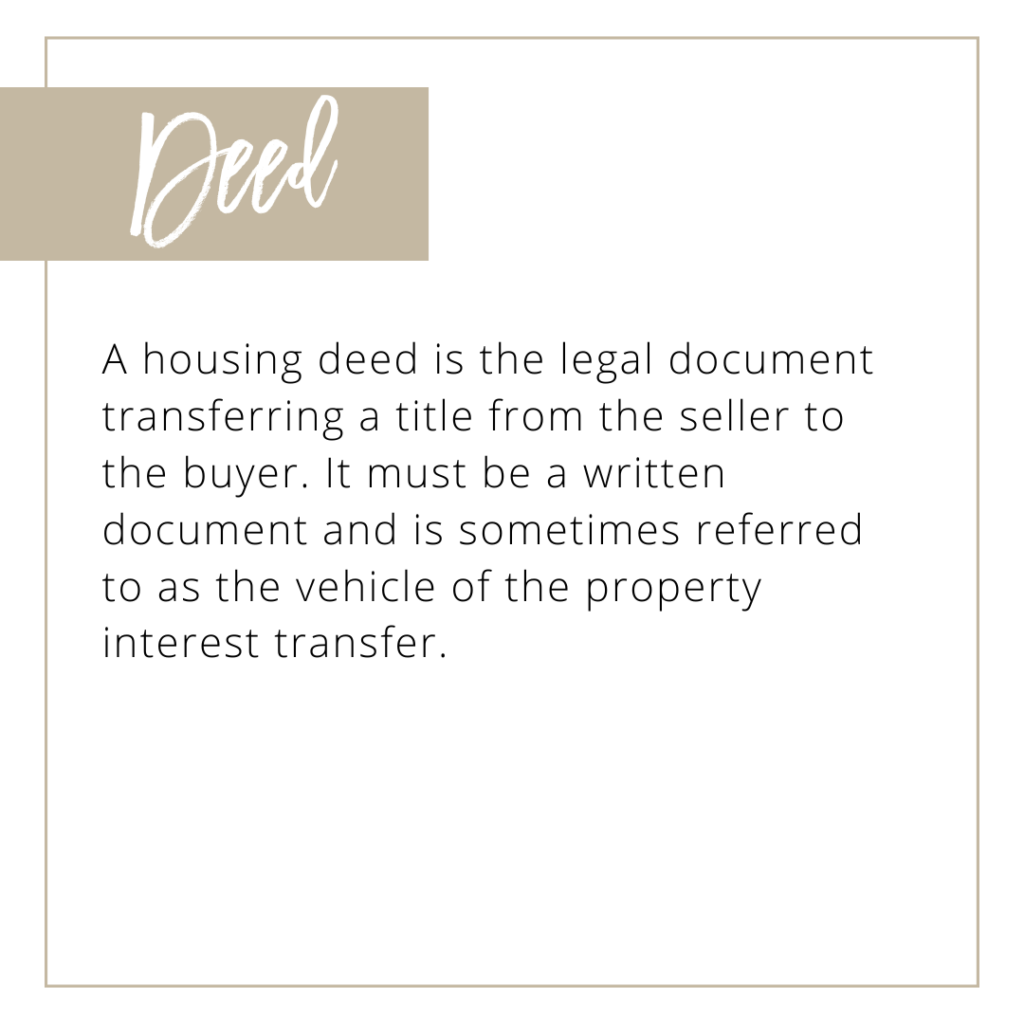
Some deeds let a house pass at death without probate. The best known is the transfer on death deed. It only works if it was recorded in time: Estates Code 114.055 requires it be “recorded before the transferor’s death in the deed records” of the county where the property sits. Some owners also use an enhanced life estate deed, often called a Lady Bird deed. Pull the deed records first to see whether either one exists.

Service to meet your needs Terra Point Property Managemen

Through a living trust:

Property in a trust bypasses probate.

Steps for Transfer

1) File the will with the probate court (if applicable).

2) Coordinate with all heirs to nominate a personal representative.

3) Transfer the title:

For probate: Use an executor’s deed or court order.

For TODD or trust: Transfer occurs automatically upon death.

4) Pay any outstanding debts or taxes on the property.

5) Record the new deed with the county clerk’s office.

Special Considerations

Affidavit of Heirship:

When there’s no will, family members who knew the deceased can sign an affidavit describing the family history. Per TexasLawHelp, “The affidavit is filed ("recorded") with deed records in the county where the decedent’s real property is located.” It doesn’t transfer title by itself, and some title companies want more before they’ll insure a sale, so ask yours early.

Homestead Rights:

Texas law provides special protections for surviving spouses and minor children.

Community Property:

If the deceased was married, community property laws may affect the transfer process.

Timeline

The transfer process can take anywhere from a few months to over a year, depending on the complexity of the estate and the method used.

Property Transfer After Death: The Short Version

A property transfer after death starts with one question: how did the owner leave it? A will usually means probate or a muniment of title. No will usually means an heirship affidavit or a court heirship case. A recorded transfer on death deed or a trust can skip probate. Whatever the path, the title company you plan to close with decides what paperwork is enough, so call them early and let a probate attorney handle the filings.

Once the title is sorted out, our guide to inherited property in Texas covers whether to keep, sell or rent the house.

Get the scoop on your home value

Contact Information

If you’ve inherited a house in Fulshear, Katy, Richmond or elsewhere in Fort Bend County, we can give the family a written market analysis and work alongside your attorney when it’s time to sell. Call Terra Point Realty at (713) 766-1697.

Leave A Comment