10 Things Every Buyer Should Look For During Your Home Inspection
A home inspection report is the most honest document you will see in a home purchase, and the most easily misread. A thorough inspector on a fifteen-year-old house writes forty or fifty items, and a buyer looking at that list for the first time usually cannot tell which three actually matter.
These are the ten areas that show up most often in a Fort Bend County home inspection report, what each finding tends to mean, and which ones are worth raising with the seller. For the full framework on sorting a report and deciding what to ask for, see our home inspection checklist for Texas buyers and sellers.
A roof is the first line of protection against water penetration. You want to ensure it’s in satisfactory shape when you move into your home, or you’ll have issues with mold and water damage down the line. An inspector will look out for warped spots in shingles, damaged flashing or gutters, and ensure they are all in working order.
Foundation or Basement Cracked
Your inspector will inspect the basement or crawlspace for any indications of cracks in the foundation, the walls, water damage, and mildew. Moisture intrusion is a big issue that can cause problems for your home’s structural integrity if left unattended. If you find any issues with your purchase like this, we recommend withdrawing from it before spending money on repairs that might not be worth it unless you’re getting a terrific deal!
Electrical Inspection
Your inspector will check to see if the fuse box is in working order and ensure that any outlets you have near water, like your kitchen or bathroom, are GFCIs. They should also tell you if any of these outlets aren’t grounded properly and need updating.
[wpl_widget_instance id="wpl_carousel_widget-13"]
Home Plumbing Inspection
Knowing that all of your faucets, showers, and toilets are working properly. An inspector will check them for you and take a look at the drains and the sewer to make sure there aren’t any blockages or damages. Replacing a blocked drain line is highly costly, labor-intensive, and not something you want to deal with when buying a new home.
If you’re purchasing a home with a septic system, be sure to ask the sellers when they last had it pumped. This will help you know how much maintenance has been done on the tank and drain field itself in general. The last time should also give you an idea of how long before your septic needs a pump-out!
Air And Heat HVAC Inspection
Home inspectors can check if all the heating and air conditioning systems are working as they should. Still, a licensed HVAC professional will test for energy efficiency and ensure there aren’t any underlying issues that might get missed. Having to replace your heating or cooling system is an expensive affair, so think twice about buying a home with one that’s malfunctioning.
Inspect For Leaking Doors And Windows
Residential home inspectors can conduct an air infiltration test to check for leaks and let homeowners know how much water is coming in through the windows or doors. Leaky windows mean that your utility bills will be higher than usual – as well as other problems like mold and structural damage from wetness penetrating inside. Cracks offer the water away into your home without you knowing about it until there are major structural issues with your home’s foundation!
Chimney Inspection
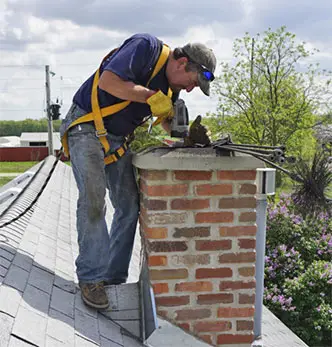
A chimney inspector can determine if the cap is correctly positioned to prevent water from leaking in and do a visual examination of your roof. Still, you’ll need a professional chimney sweep for complete inspections. They will perform cleanup work, check for creosote build-up on the mortar or other materials used with heaters and stoves, and remove it by sweeping.
Inspect Home For Water Damage
Your inspector should thoroughly check for any signs of water damage, such as visible cracks in the walls and floors or leakages from inside your cabinets. Water damage indicates other more significant issues, so it’s essential to notice when you see these symptoms around your home!
Inspect For Termite Or Other Wood Eating Insects
While the inspectors can usually catch any apparent signs of termites or other pests, they do not typically check for these pests. It’s really important to hire a pest control company to inspect your home and have it treated before you close on the property. If you are purchasing a new house with financing, this may be an additional requirement of your loan agreement with lenders.
Home Insulation Inspection
Besides inefficient heating and air system, replacing attic insulation is costly. Your inspector can very quickly check if there’s sufficient insulation for your climate or see whether the existing insulation ought to be replaced by taking a look inside the attic.
Conclusion
After the inspection, walk the home with your inspector. They can talk you through the findings and answer questions the written report will not. A second opinion from a trade specialist is worth getting on anything expensive — a structural engineer for foundation movement, a roofer for the roof, an HVAC contractor for a system near the end of its life.
Then sort the home inspection report into what is a safety or structural problem, what is a major system on a known timeline, and what is a small item you can live with. That sorting, not the length of the list, is what decides your next move. Our home inspection checklist walks through how to do it and what to ask the seller for, and the home inspection contingency covers the deadlines you are working against.
Buying in Fulshear, Katy or Richmond and want someone to read a report with you? Call Terra Point Realty at (713) 766-1697.