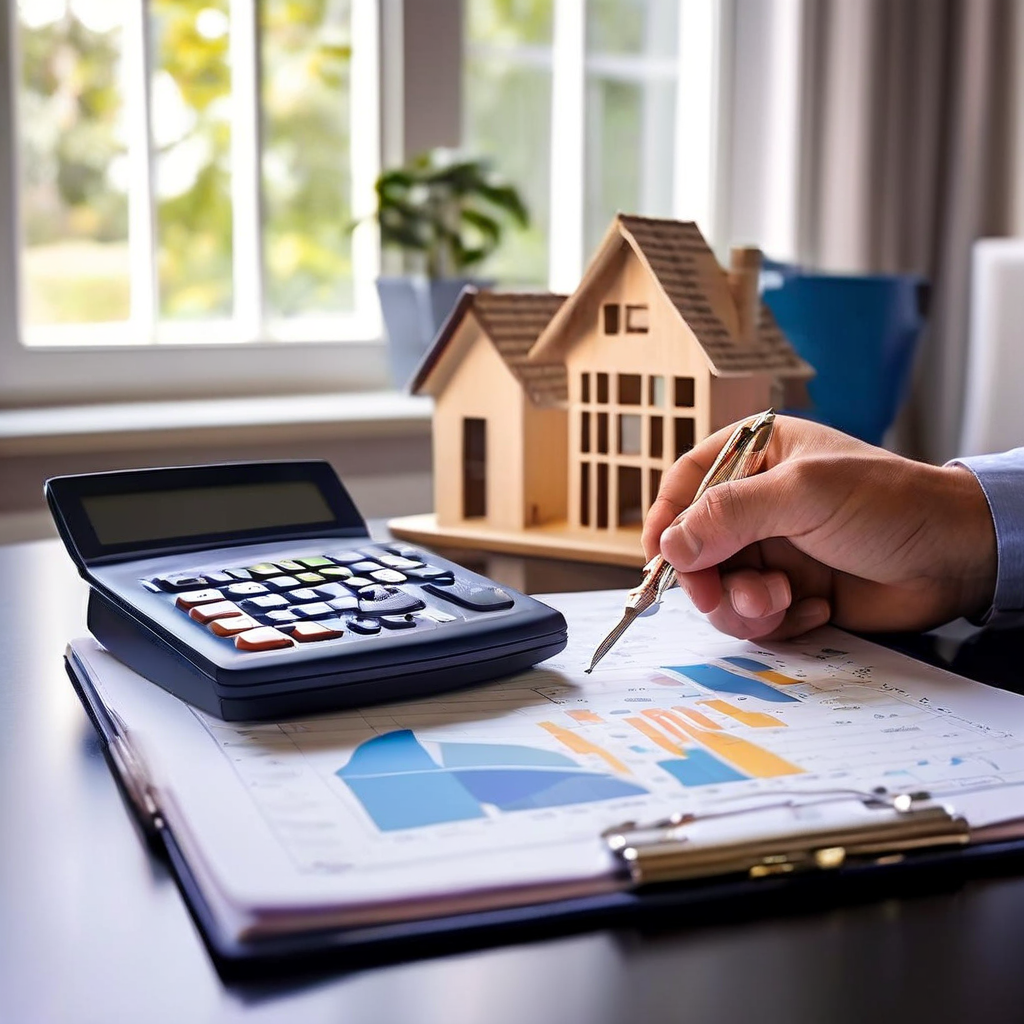
What Increases Home Value in Fulshear, Katy and Fort Bend County
What increases home value in Fulshear, Katy and the rest of Fort Bend County? Mostly things you can’t change, like location, lot and school zoning, plus a few you can, like condition and updates. Here is how each factor works, and how agents and appraisers turn them into an actual number for your house.
Determining the value of your home is an important step whether you are planning to sell, refinance, or simply want to know your property’s worth. Here are several methods and tools you can use to estimate your home’s value:
And if buying is your next step, our first-time homebuyer guide walks you through mortgages and financing.
Understanding the Importance of Home Valuation:
Whether you’re planning to sell, refinance, or simply want to gain a deeper understanding of your property’s worth, home valuation is a crucial aspect of real estate. It not only provides you with an accurate estimate of your home’s value but also empowers you with knowledge and confidence in making informed decisions.
What Increases Home Value: The Factors That Matter
Location, Location, Location:
The old adage holds true; the neighborhood you reside in plays a significant role in determining your home’s value. Factors such as proximity to schools, amenities, and transportation options can impact its desirability and subsequent worth.
Size and Layout:
The size of your home and its layout also affect its value. A spacious and well-designed floor plan that maximizes functionality is highly sought after, while cramped or poorly designed spaces may have a negative impact on value.
Condition and Upgrades:
The overall condition of your property, including its age, maintenance, and any recent upgrades, can significantly influence its value. Keep in mind that well-maintained homes with modern amenities tend to command higher prices in the market.
Comparable Sales:
Real estate professionals often look at recent sales of similar properties in your area to determine your home’s value. These comparable sales provide a benchmark and help establish a fair market price.
Market Conditions:
The state of the real estate market, including supply and demand dynamics, interest rates, and economic factors, can have a profound impact on home values. It’s important to consider these external factors when assessing your property’s worth.
Methods of Home Valuation:
Online Valuation Tools:
Numerous websites offer automated valuation models (AVMs) that provide quick estimates based on data such as recent sales, property size, and location. While these tools can be a helpful starting point, they are not always accurate due to the complex nature of home valuation.
The big listing portals all offer free automated estimates. They use algorithms that combine recent sales, tax assessments and the home details on file. They are quick and they are a reasonable starting point, but they can’t see your condition or updates, and in a non-disclosure state like Texas they are often working without the real sale prices.
Comparative Market Analysis (CMA):
A CMA is a report prepared by a real estate agent that compares your home to recently sold, pending and active properties nearby, then adjusts for the differences. Our full guide to the comparative market analysis walks through what a good one includes and how to check it.
In Texas this matters more than in most states. Texas is a non-disclosure state, so sale prices generally are not reported to the county. An agent’s CMA draws on closed sales in the MLS that the public can’t see, which is a big reason it usually lands closer than a website estimate.
Professional Appraisal:
A professional home appraisal conducted by a licensed appraiser is the most precise method of determining your home’s value. Appraisals involve an in-person inspection, thorough analysis, and consideration of both objective and subjective factors.
In addition, a licensed appraiser can conduct a thorough evaluation of your home, considering its condition, location, and comparable sales. This is often required by lenders during the mortgage process and provides a more precise valuation than online tools.
Assessed Value:
This is the value determined by your local tax assessor for property tax purposes. It is typically lower than the market value and may not reflect current market conditions.
Why Knowing Your Home's Value is Important:
Selling:
Helps set a competitive listing price.
Buying:
Assists in making informed offers on new properties.
Refinancing:
Determines the amount of equity you can access.
Property Taxes:
Allows you to contest property tax assessments if you believe they are too high.
Conclusion
So what increases home value? Location, lot and schools set the range. Size, layout and condition decide where in that range your house lands. Market conditions move the whole range up or down. You control the middle group, which is where your repair and update dollars belong.
At Terra Point Realty, we are committed to helping you navigate the intricacies of the real estate market. Contact us today for expert guidance and personalized assistance tailored to your unique needs. Uncover the hidden gems and unlock the true value of your home with us!
Lastly, by using a combination of these methods, you can get a comprehensive understanding of your home’s value. For the most accurate assessment, consider consulting with a real estate professional or appraiser.
Disclaimer: The information provided in this blog post is for general informational purposes only and should not be construed as professional advice. Please consult with a qualified real estate professional for a comprehensive evaluation of your property’s value.
Contact Information
Want a number for your own address? Call Terra Point Realty at (713) 766-1697 and we will put together a comparative market analysis for your home, with every comp explained.