
Appraisal vs. Valuation: Which Home Value Number Matters?


Appraisal vs valuation is the question most owners ask the first time they see three different numbers for the same house: one from a website, one from a real estate agent, and one from the appraisal district. They are not competing answers to the same question. Each one is built for a different job.
Here is what each number is, who produces it, and which one matters when you buy, sell or protest your taxes in Fort Bend County.
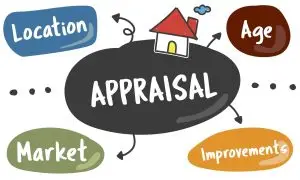
What an appraisal is
An appraisal is a licensed appraiser’s written opinion of a home’s market value, usually ordered by a lender during a purchase or refinance. The appraiser inspects the house, picks recent comparable sales, adjusts for differences, and signs a report the lender relies on to decide how much it will lend. In Texas, appraisers are licensed or certified through the Texas Appraiser Licensing and Certification Board.
When you buy with a mortgage, this is the number that controls your loan. Our guide to the home appraisal process in Texas walks through who orders it, what the appraiser checks, and what to do if it comes in low.
What a valuation usually means
“Valuation” is a looser word. It can mean any of these:
- A comparative market analysis. A real estate agent’s study of recent sales and active competition, used to set a list price or write an offer. See our post on the comparative market analysis.
- An automated estimate. The number a home-search website shows. It is a model, and in a non-disclosure state like Texas it often misses. Our post on why online home valuations miss in Texas explains why.
- The appraisal district’s market value. The value on your notice from the appraisal district, used to calculate property taxes. It is set for the whole county at once, not by a visit to your house.
- A broker price opinion. A shorter opinion of value a lender may order, often on a short sale or a bank-owned property.
Appraisal vs valuation, side by side
- Who prepares it. An appraisal comes from a licensed or certified appraiser. A valuation can come from an agent, a website model, or the appraisal district.
- Who it is for. An appraisal is for the lender. A CMA is for the buyer or seller. The appraisal district value is for the tax roll.
- What it is used for. An appraisal sets the loan amount. A CMA guides price and negotiation. The district value drives your tax bill.
- Who pays. The buyer usually pays for a purchase appraisal. A CMA from your agent is normally part of their service. The district value costs you nothing directly, but it shows up in your taxes.
Which number matters when
If you are buying with a loan, the appraisal decides how much the lender will lend. If you are selling, the CMA sets your list price, and the buyer’s appraisal tests it later. If you think your property taxes are too high, the appraisal district’s value is the one to protest, with recent sales as your evidence.
None of these numbers is wrong for having a different answer. Problems start when an owner uses one number for a job it was never built for, such as pricing a listing off a website estimate or expecting the tax value to match a sale price.
If you want a real read on what your home would sell for in Fulshear, Katy, Richmond or elsewhere in Fort Bend, call Terra Point Realty at (713) 766-1697.
Terra Point Realty, LLC — TREC Brokerage License #9002493. Information About Brokerage Services · Consumer Protection Notice · Equal Housing Opportunity.